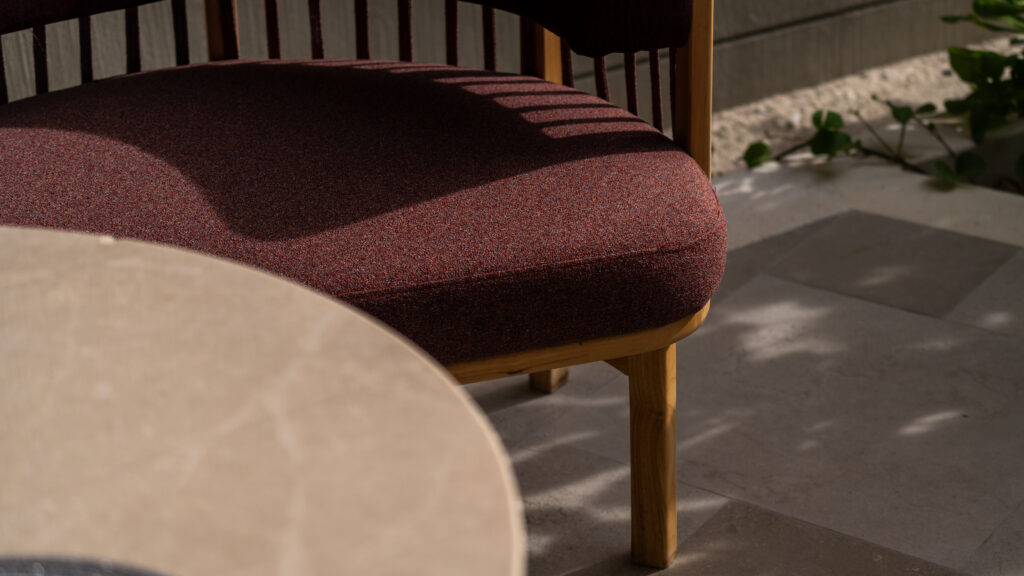
Quiet luxury is redefining hospitality interiors through restraint, materiality and precision. As design moves away from overt statements, the role of furniture becomes more nuanced, shaping spaces through craftsmanship, proportion and subtle detail rather than visual excess.
In hospitality, design has long been associated with spectacle, bold forms, striking finishes and statement pieces designed to capture attention. Today, a different approach is taking hold. Quiet luxury is emerging as a defining direction, favouring subtlety over showmanship and craftsmanship over excess.
This shift is not about simplicity alone, but about intention. Every material, finish and proportion is considered with care, resulting in spaces that feel composed, refined and enduring. For furniture makers, this signals a move away from decorative prominence towards a more integrated, architectural role within the space.
At onestop, we see this shift reflected in how projects are briefed, developed and delivered. Clients are increasingly prioritising cohesion over contrast, seeking furniture that supports the overall spatial narrative rather than competing with it. This requires a deeper level of collaboration from the outset, where design intent, operational needs and technical feasibility are aligned early in the process.
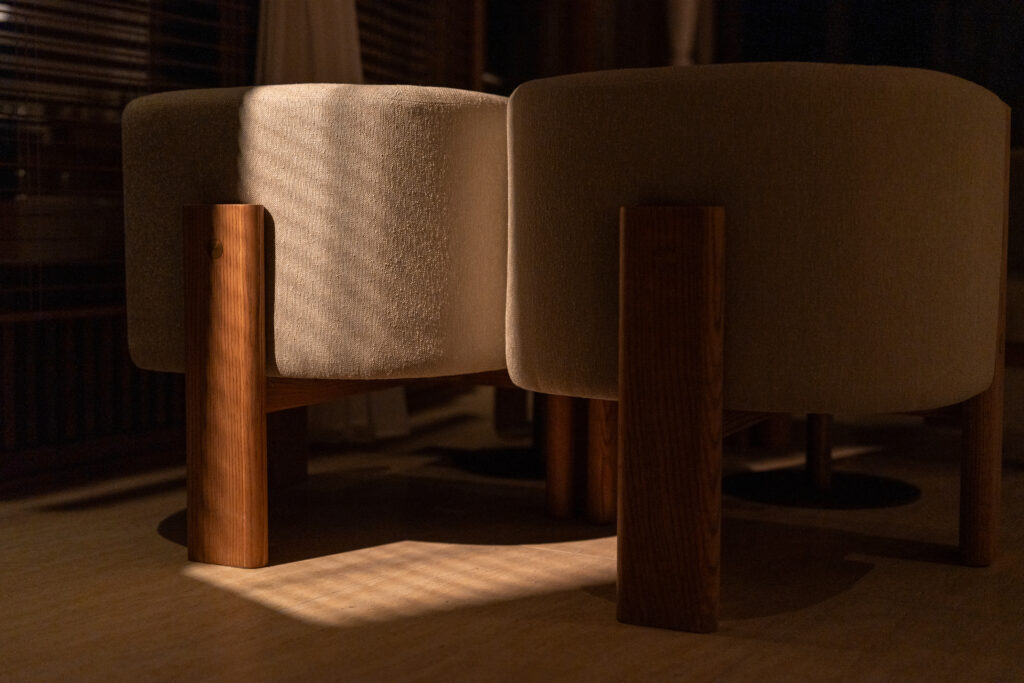
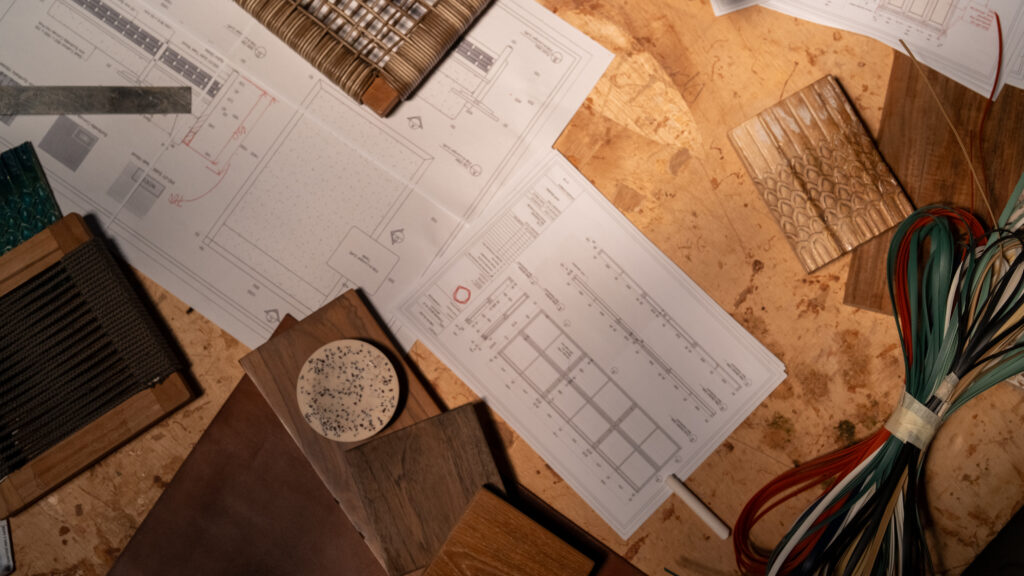
Materiality sits at the centre of this approach. Natural woods, stone, leather and tactile fabrics are selected not for immediate visual impact, but for their depth, durability and ability to evolve over time. In our work, material selection is never treated as a final layer. It is a foundational decision that informs construction, detailing and long-term performance, particularly in high-traffic hospitality environments.
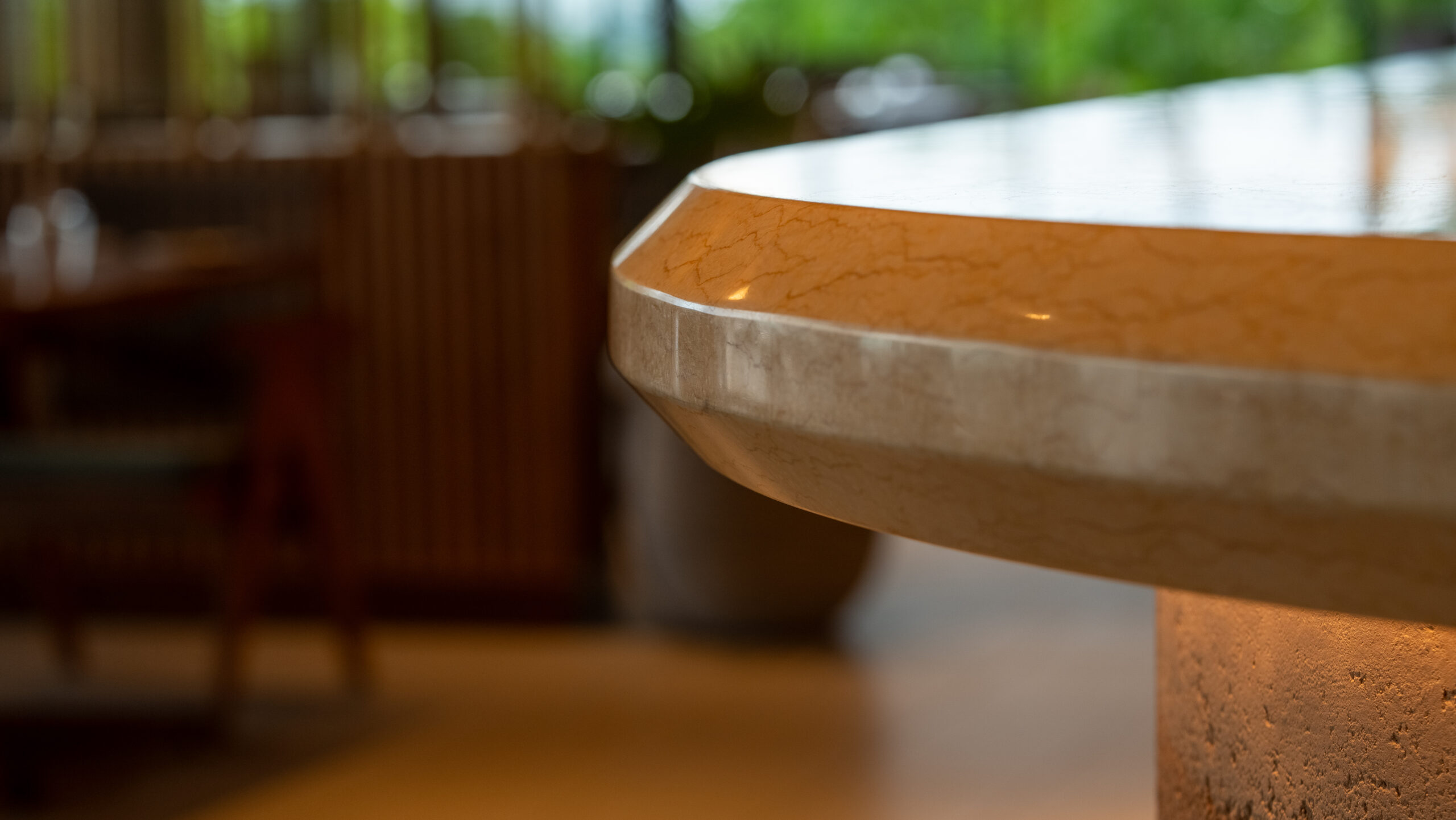
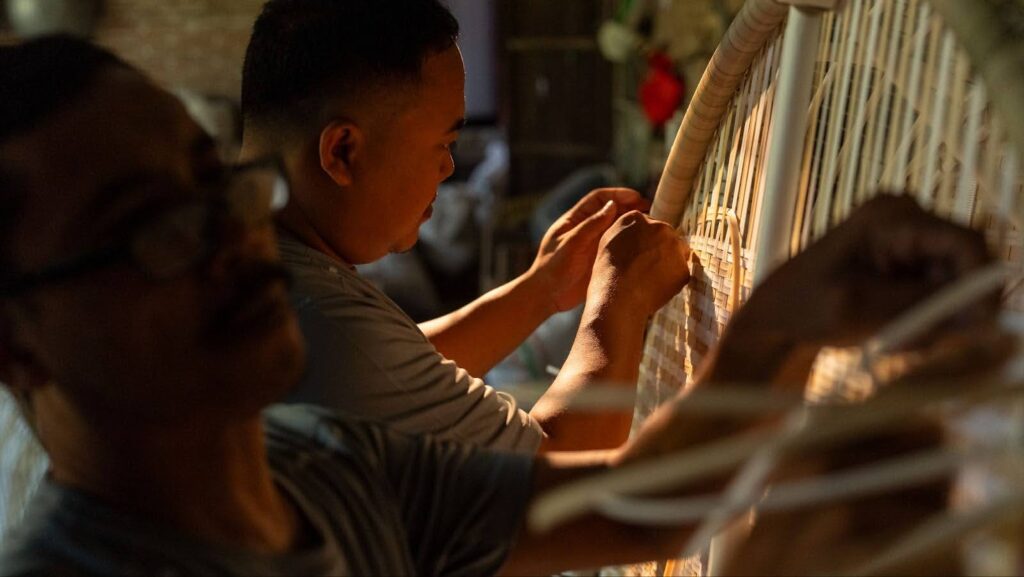
With less reliance on ornamentation, execution becomes the differentiator. Quiet luxury leaves little room for error; precision in joinery, finishing and assembly is immediately visible. This is where technical expertise plays a critical role. From prototyping through to production, each stage must be tightly controlled to ensure that the final outcome reflects both the design vision and the functional demands of the space.
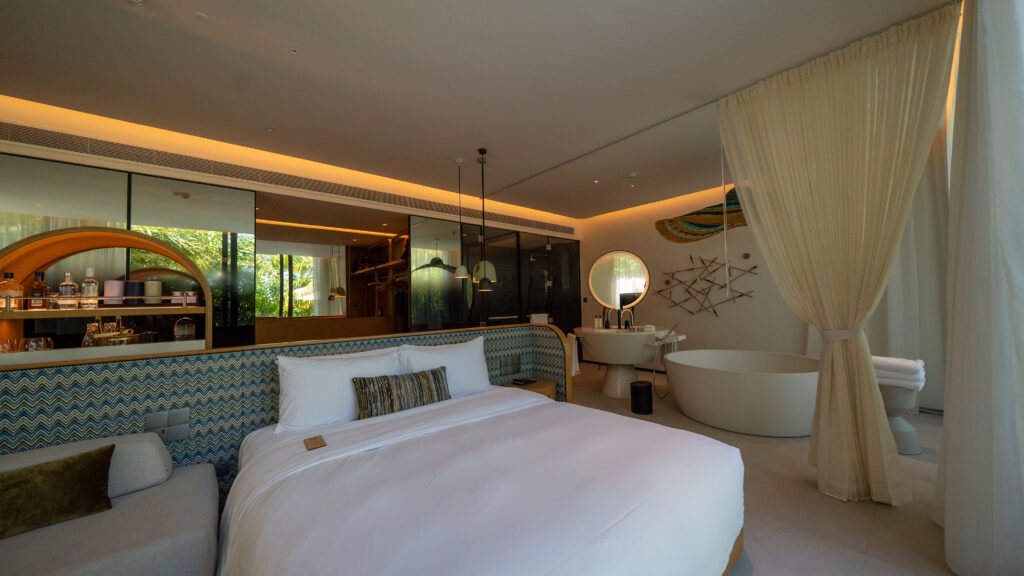
Proportion and spatial harmony are equally important. Furniture is no longer designed as standalone pieces, but as part of a larger composition. At onestop, this often involves working closely with designers and operators to refine scale, adjust configurations and ensure that each element responds appropriately to its environment—whether in guest rooms, public areas or bespoke installations.
Consistency, particularly at scale, is another defining challenge. In quiet luxury interiors, even minor variations can disrupt the overall experience. Our production processes are structured to maintain alignment across multiple components, ensuring that materials, finishes and detailing remain consistent from sample through to installation.
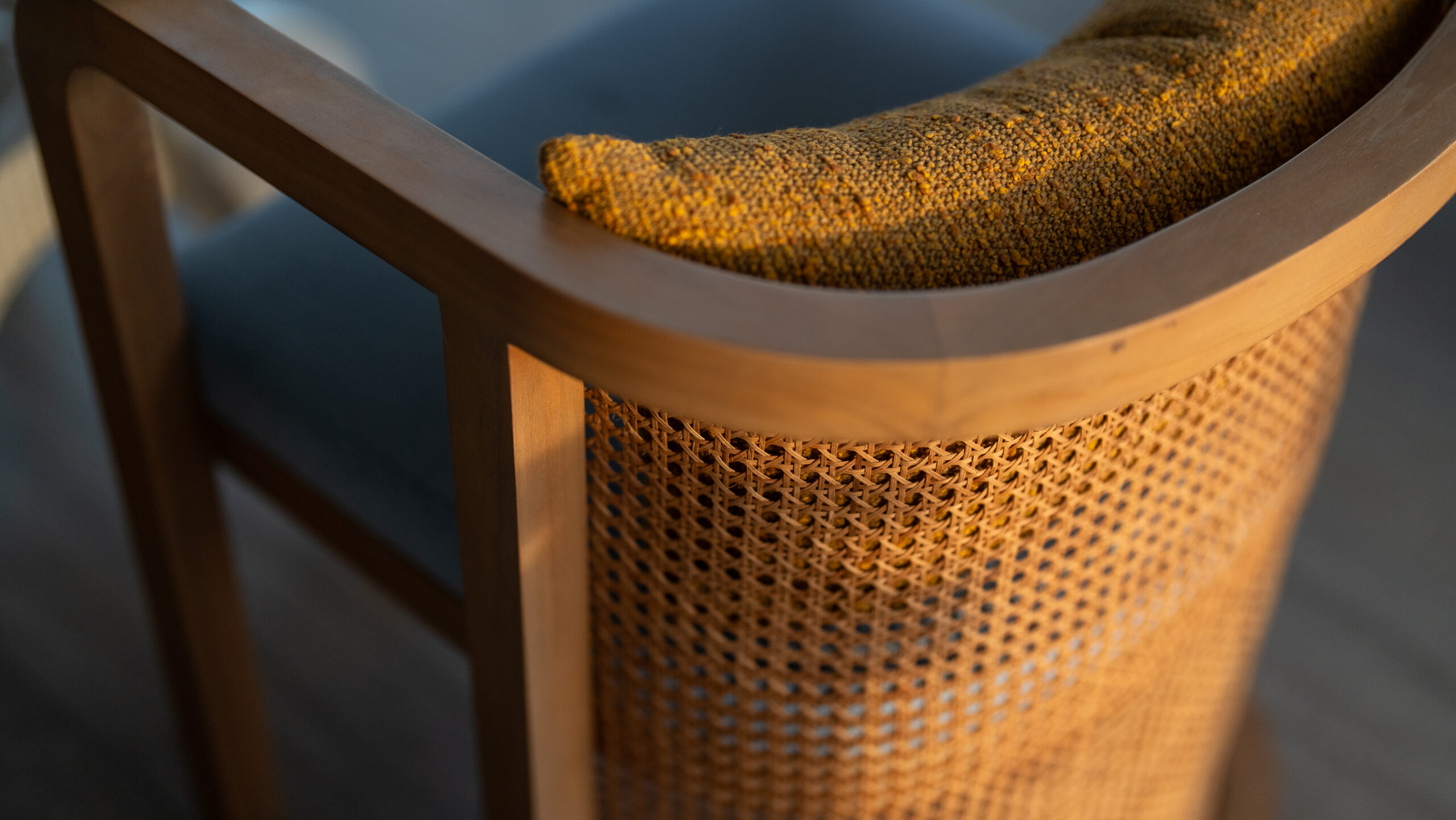
Quality control, therefore, is not simply a final checkpoint but an ongoing discipline embedded throughout the workflow. Each piece is assessed against technical specifications and approved samples to ensure it meets both aesthetic and performance standards; an essential requirement in environments where longevity is as important as visual refinement.
Ultimately, quiet luxury demands more from furniture makers. It requires a balance of creativity, technical precision and restraint—where success is measured not by how much a piece stands out, but by how seamlessly it contributes to the space.
For onestop, this approach is not a departure, but a continuation of how we define bespoke hospitality solutions. By integrating design intent with technical execution at every stage, we create pieces that are not only visually refined, but built to endure—supporting spaces that feel cohesive, considered and quietly exceptional.
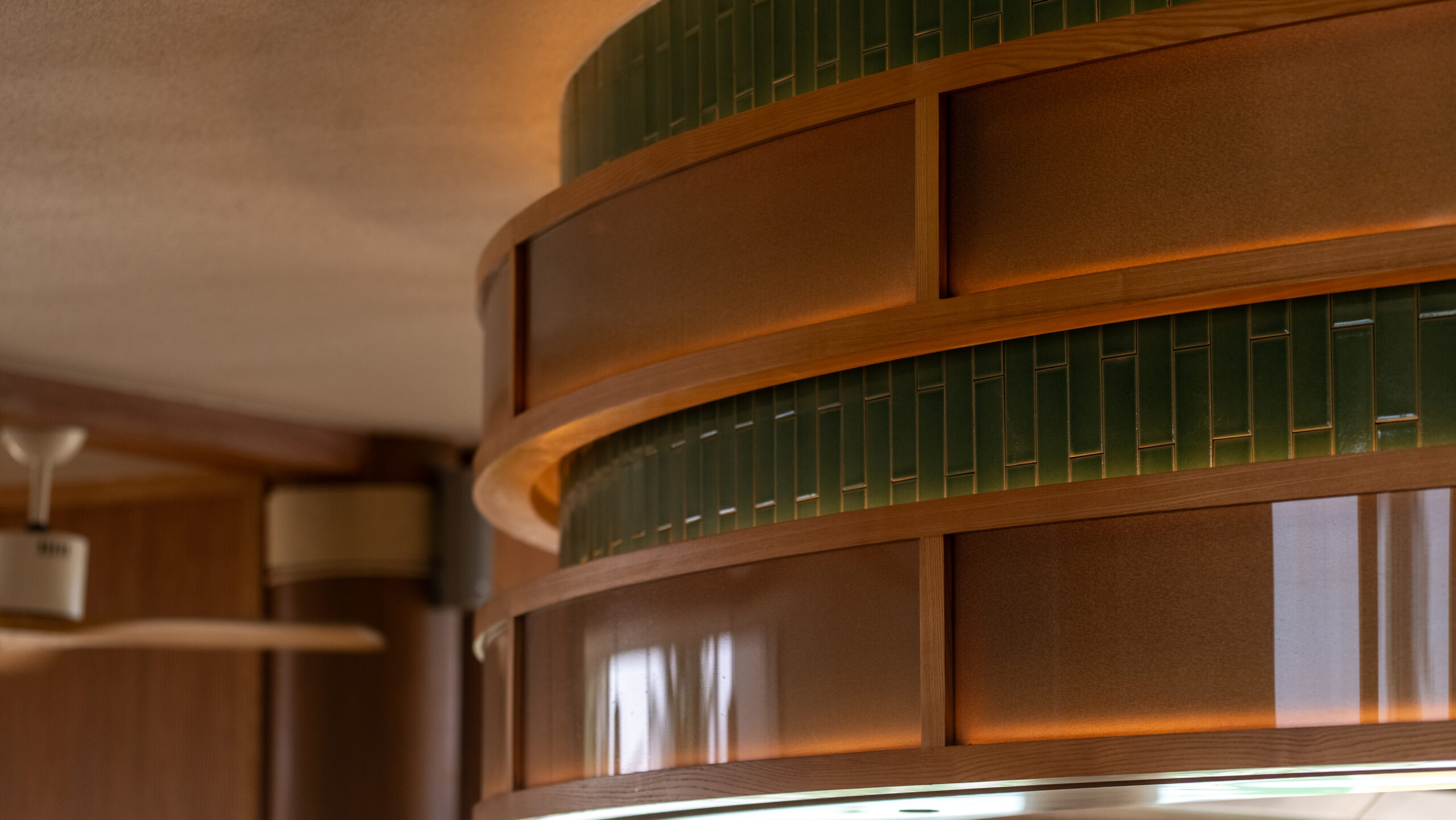
Ultimately, quiet luxury requires furniture makers to balance creative restraint with technical precision perfectly. At onestop, we deliver enduring, bespoke solutions that seamlessly elevate modern hospitality interiors.
To see our latest projects, industry insights, and manufacturing updates, follow us on LinkedIn and Facebook to stay connected with the future of hospitality design.