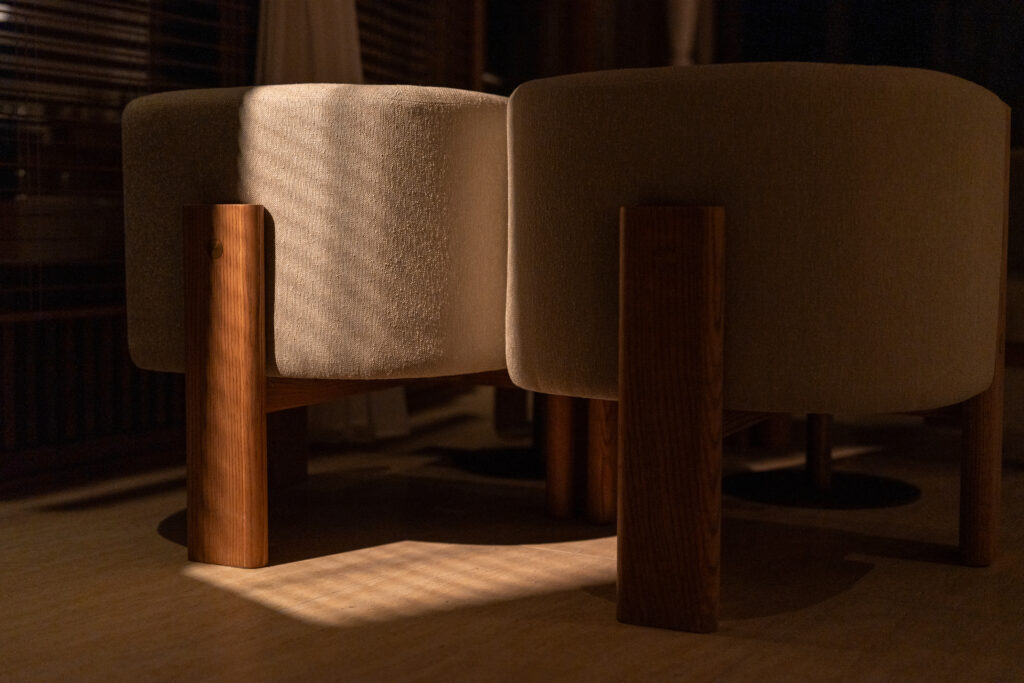
As hospitality shifts from superficial eco-trends to deep-rooted longevity, custom-fabricated furniture emerges as the ultimate sustainable strategy, driven by precision engineering, circular design, and the principles of quiet luxury.
For years, sustainable hospitality design followed a predictable visual playbook. Spaces proudly showcased reclaimed timber, exposed raw finishes, and upcycled elements to signal their green credentials. While these materials still hold value, the conversation around sustainability has fundamentally matured. Today, forward-thinking hoteliers and developers look beyond the surface level of recycled aesthetics. They recognise that true environmental responsibility is inherently tied to longevity, operational efficiency, and spatial permanence.
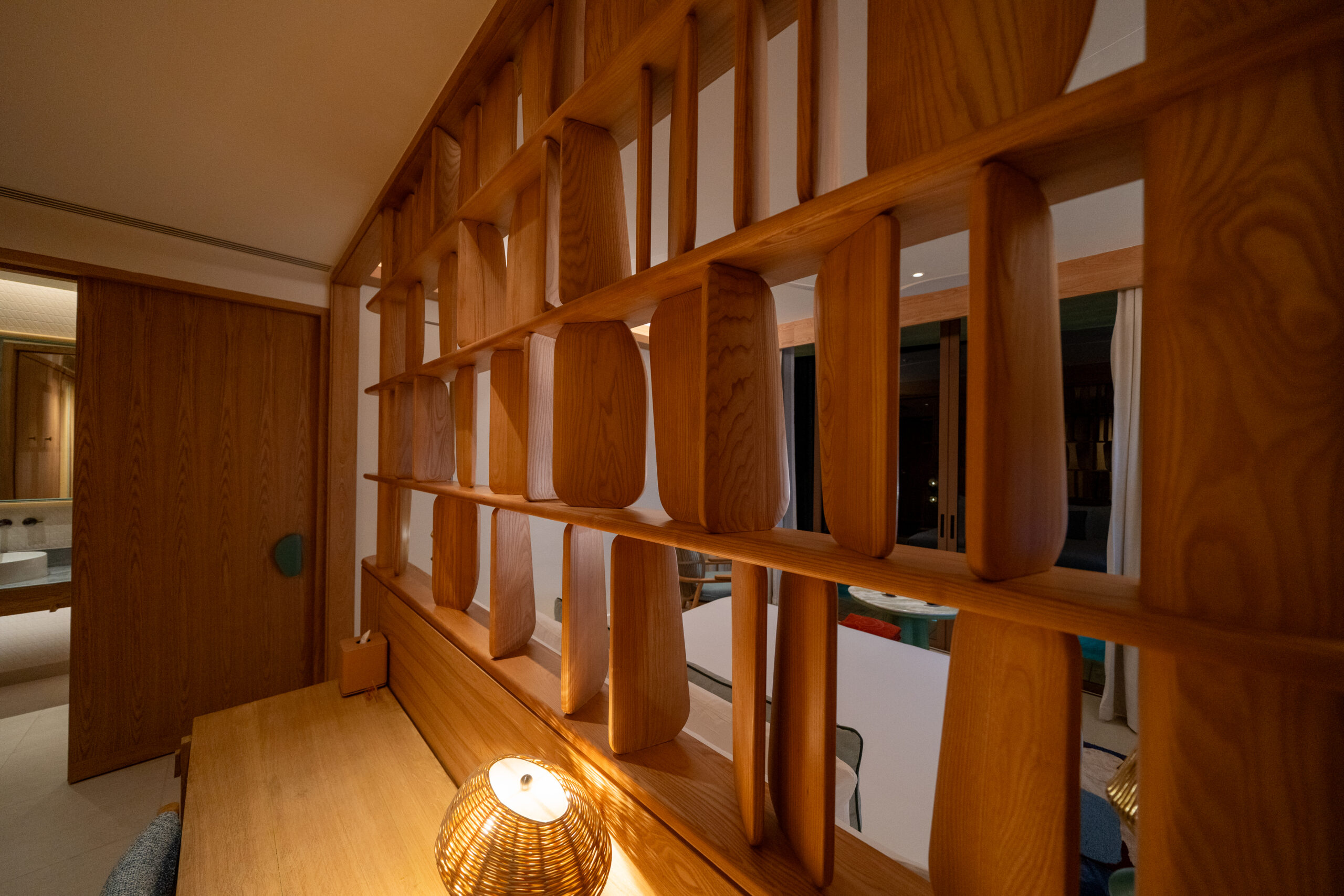
In this new landscape, quiet luxury has redefined hospitality interiors through restraint, materiality, and precision. As design moves away from overt statements, the role of customised furniture becomes more nuanced, shaping spaces through craftsmanship, proportion, and subtle detail rather than visual excess. This strategic pivot marks a transition from short-term eco-branding to long-term resource preservation.
In hospitality, design has long been associated with spectacle, bold forms, striking finishes, and statement pieces designed to capture attention. Today, a different approach is taking hold. Quiet luxury is emerging as a defining direction, favouring subtlety over showmanship and craftsmanship over excess. This shift directly aligns with sustainable principles: by eschewing passing trends, spaces avoid the premature renovation cycles that generate immense landfill waste.
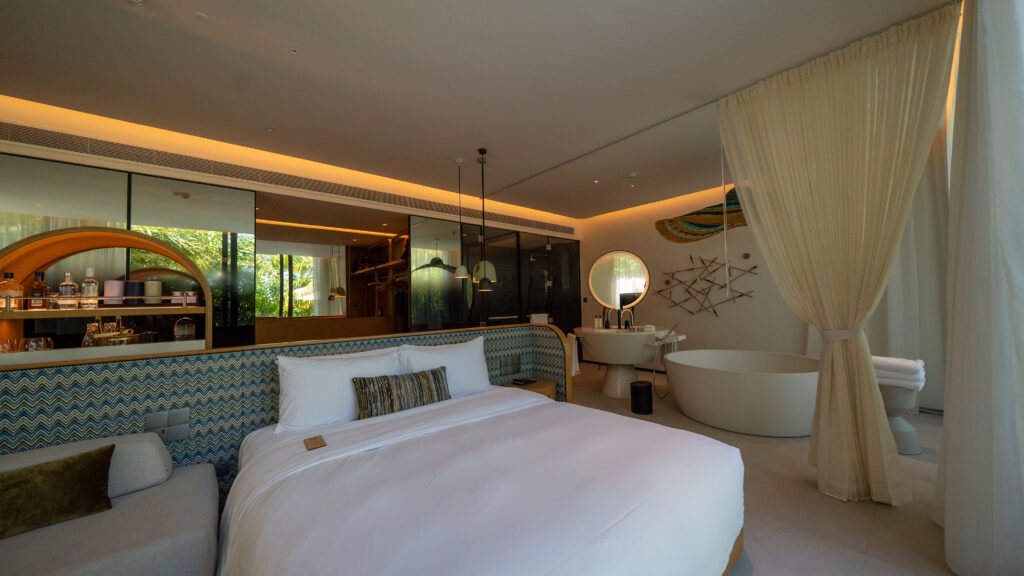
This shift is not about simplicity alone, but about intention. Every material, finish, and proportion is considered with care, resulting in spaces that feel composed, refined, and enduring. For furniture makers, this signals a move away from decorative prominence towards a more integrated, architectural role within the space. When custom furniture is engineered to fit a specific architectural context, it optimises spatial utility and reduces material waste during both production and installation.
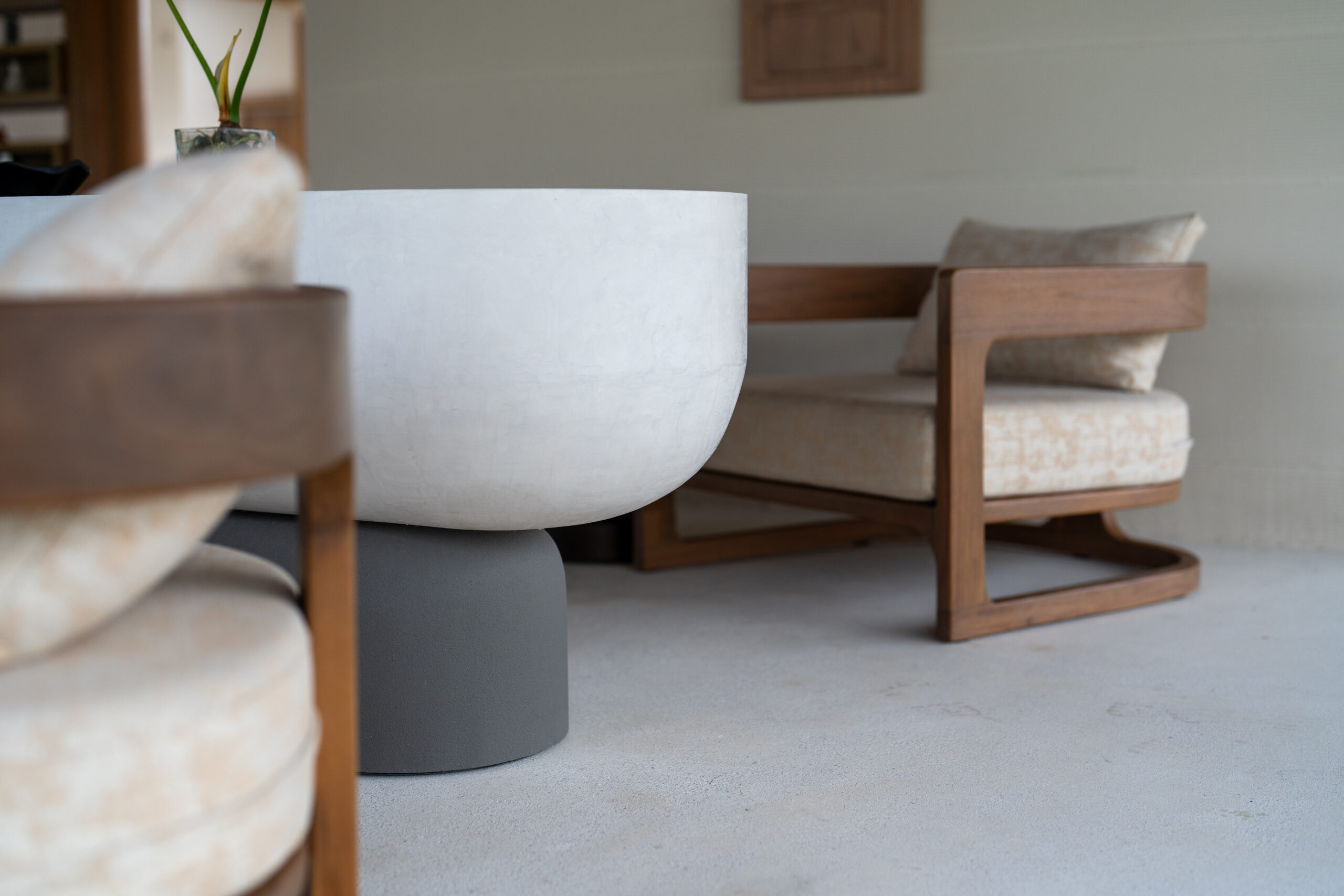
At onestop, we see this shift reflected in how projects are briefed, developed, and delivered. Clients are increasingly prioritising cohesion over contrast, seeking custom furniture that supports the overall spatial narrative rather than competing with it. This requires a deeper level of collaboration from the outset, where design intent, operational needs, and technical feasibility are aligned early in the process. This rigorous planning ensures that every piece is structurally optimised, minimising the carbon footprint associated with component replacements and premature wear.
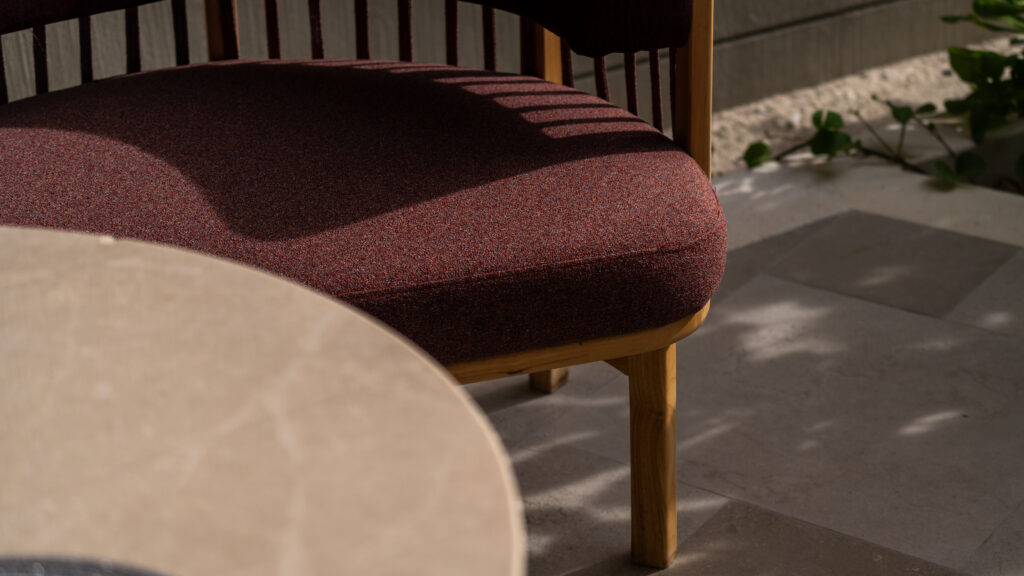
Materiality sits at the centre of this approach. Natural woods, stone, leather, and tactile fabrics are selected not for immediate visual impact, but for their depth, durability, and ability to evolve. In our work, material selection is never treated as a final layer. It is a foundational decision that informs construction, detailing, and long-term performance, particularly in high-traffic hospitality environments. By sourcing certified, high-grade raw materials for our custom furniture, we ensure the product patinas beautifully rather than degrades, extending the commercial lifecycle of the interior.
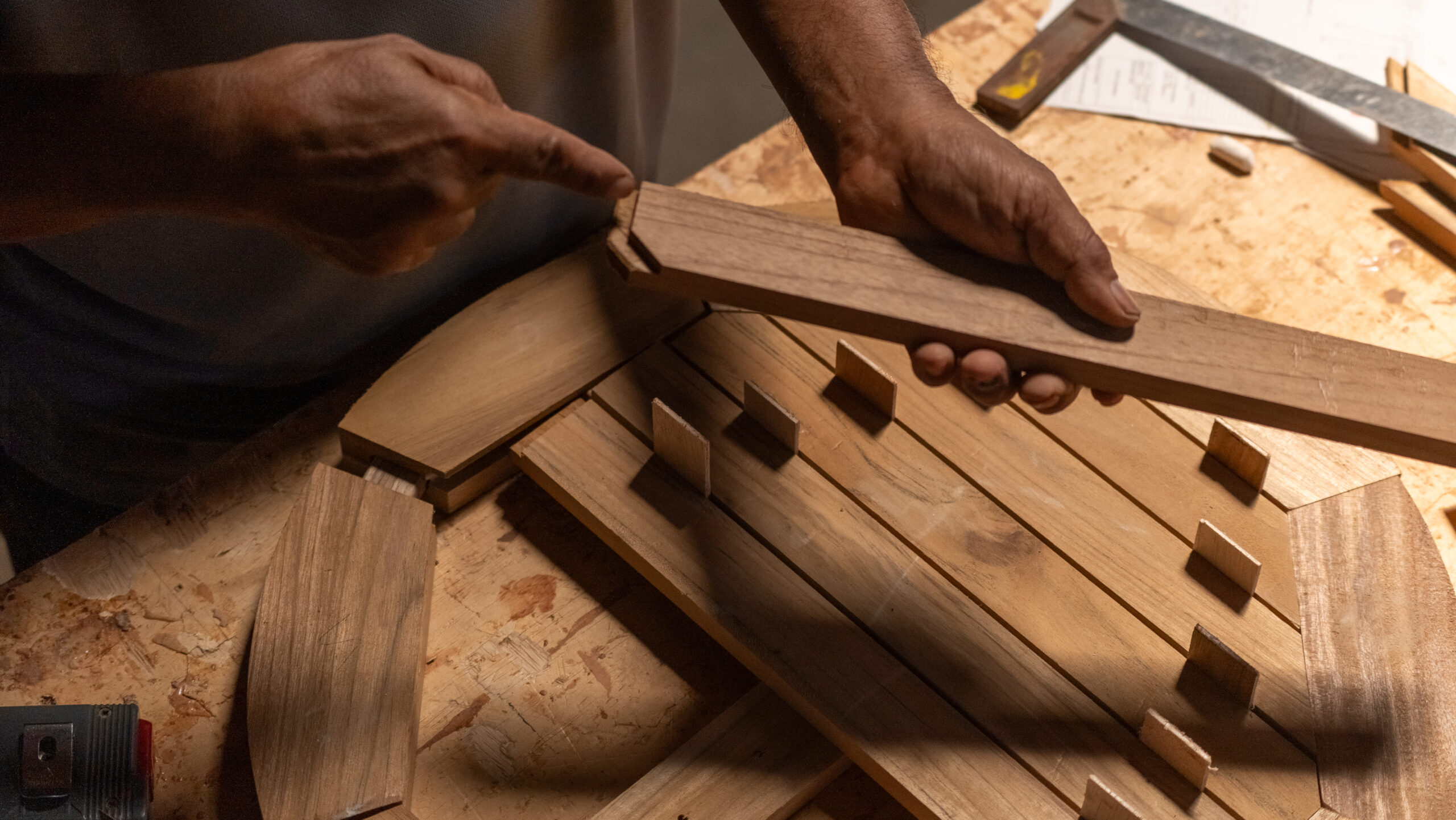
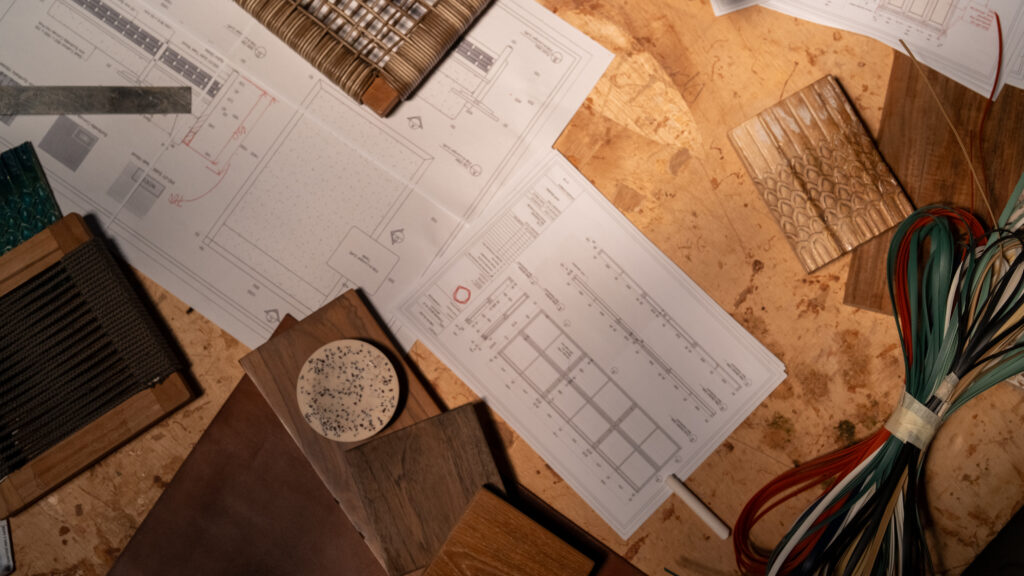
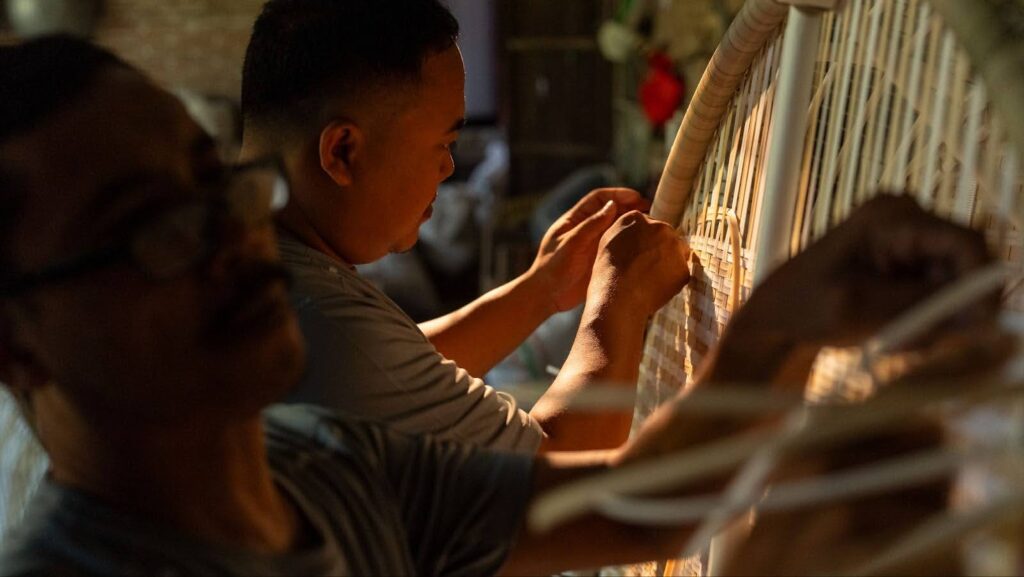
With less reliance on ornamentation, execution becomes the differentiator. Quiet luxury leaves little room for error; precision in joinery, finishing, and assembly is immediately visible. This is where technical expertise plays a critical role. From prototyping through to production, each stage must be tightly controlled to ensure that the final outcome reflects both the design vision and the functional demands of the space. High-precision manufacturing eliminates material errors, ensuring that resource consumption is kept strictly to a minimum.